
🌿 The Constable and the Girl from Clare
James Douglas Hendren & Ellen Davin, 1827–1906
“Every life is shaped by choices. His were to serve, to leave, and to love; hers were to follow, to endure, and to begin again.”
Roots in Ulster
The Hendren name began in Ayrshire, Scotland long before James was born. By the early 1600s, thousands of Lowland Scots had crossed the narrow sea to County Antrim, encouraged by King James I to settle confiscated Irish land. Among them were the Hendrens — linen weavers and small farmers who built a new life in Lisburn and Ballinderry, bringing with them a Presbyterian work ethic and a Scottish tongue.
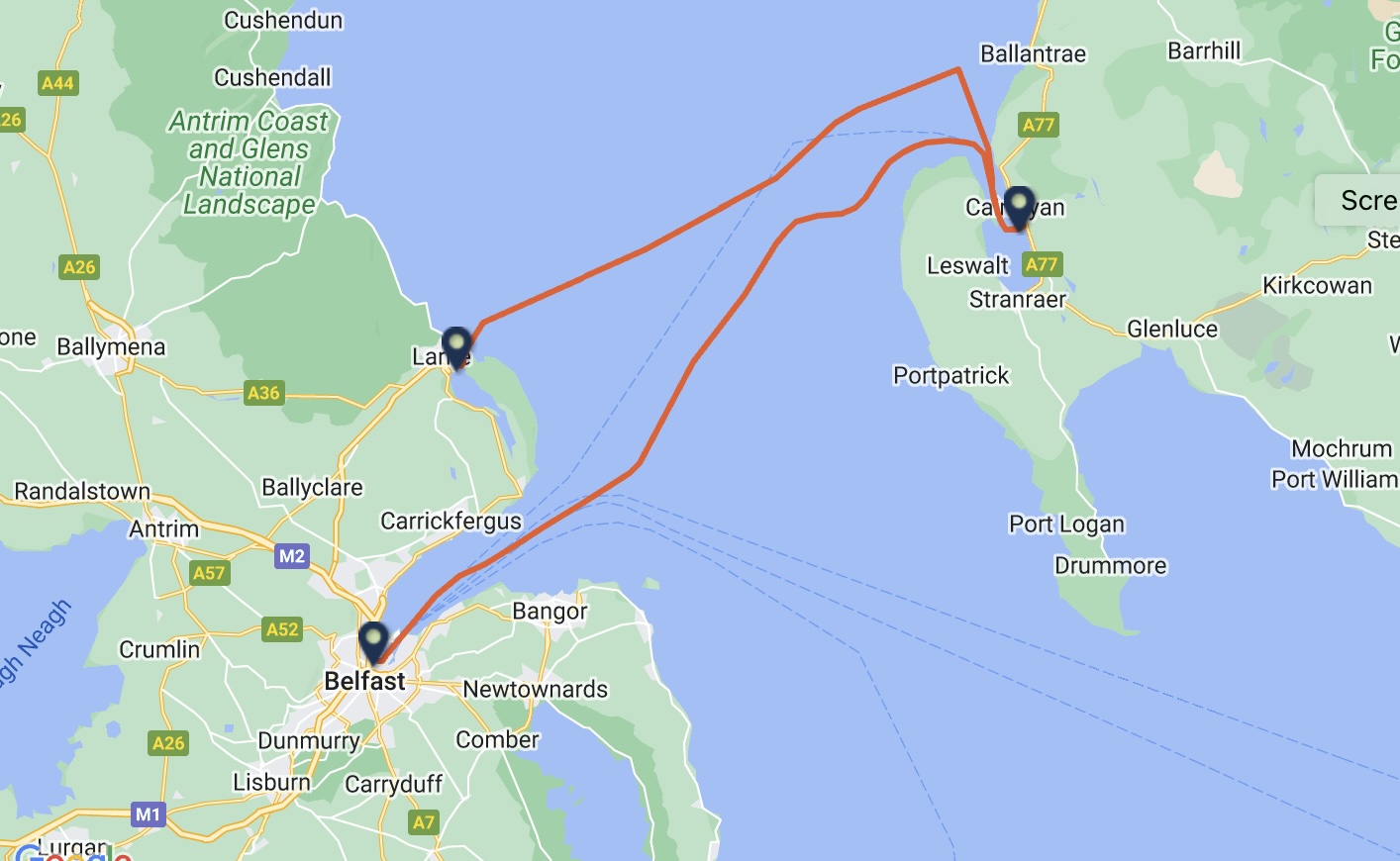
Passage from Scotland to Northern Ireland
Three centuries later, in that same district, William Hendren and Jane Douglas raised their family. Their eldest son, James Douglas Hendren, born about 1827, would carry the family’s restless spirit across the world.
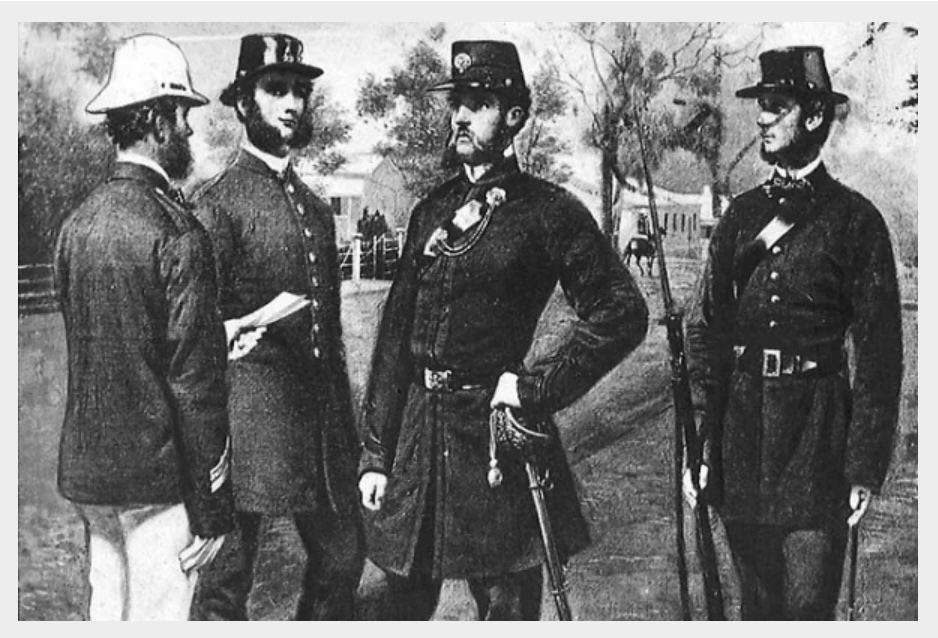
At twenty-one, James joined the Royal Irish Constabulary (RIC), recommended by Rev. Hartley Hodson, curate of Derriaghy. The RIC was part army, part police — armed, uniformed, and bound by strict codes: no marriage for seven years, no politics, no service in one’s home county.
The Girl from Clare
Far to the south, in County Clare, lived Ellen Davin, a young servant who had known hardship after the Famine. Her brother Patrick Davin also served in the RIC, stationed in Clare from 1851. Through that small network of constables and clergy, Ellen met James.
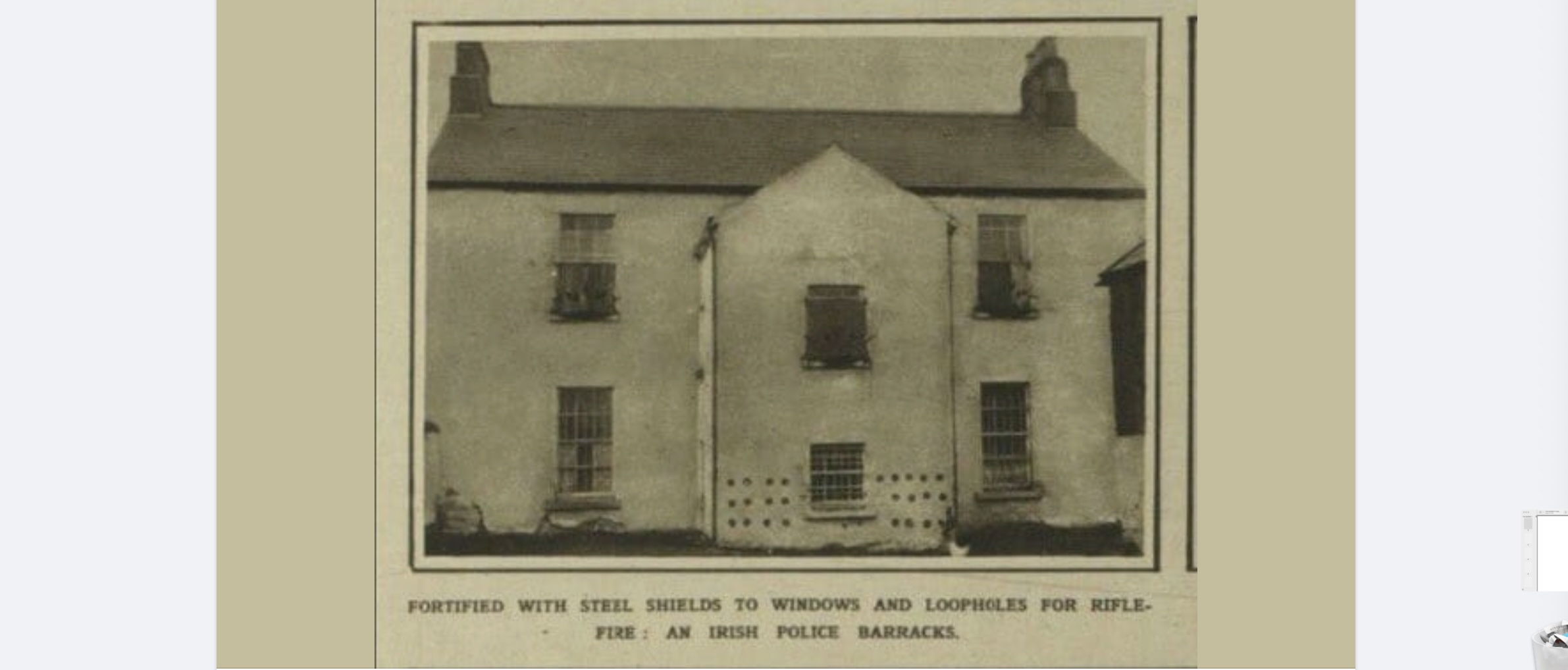
Irish Constabulary Barracks, Tulla, Clare
They came from opposite sides of Ireland’s divide — he Protestant from the north, she Catholic from the west — yet found in each other courage and warmth. Their love was forbidden by regulation and custom alike. To marry a Catholic without permission meant dismissal. To love a constable meant social ruin.
But love, once chosen, rarely obeys rules.
Leaving Ireland
By the mid-1850s, opportunities in Australia tempted many constables to resign. The Victorian Police Force, short of trained men, was actively recruiting from Ireland.
James’s passage was arranged in 1855, with help from a fellow ex-constable Samuel Phelan then living in New South Wales. James boarded the Donald McKay at Liverpool on 4 October 1856, arriving at Port Phillip three months later and on 2 February 1857, he joined the Victoria Police as Constable No. 542.
In County Clare, Ellen faced her own choice: remain in poverty and separation, or risk everything for a man and a dream.
The Voyage of the “Africa”
In April 1858, Ellen stepped aboard the Africa at Liverpool — a twenty-two-year-old servant travelling alone. Her record notes: “gone with James Fitzpatrick, D Division.” Four months later, the ship dropped anchor off Williamstown, Melbourne.
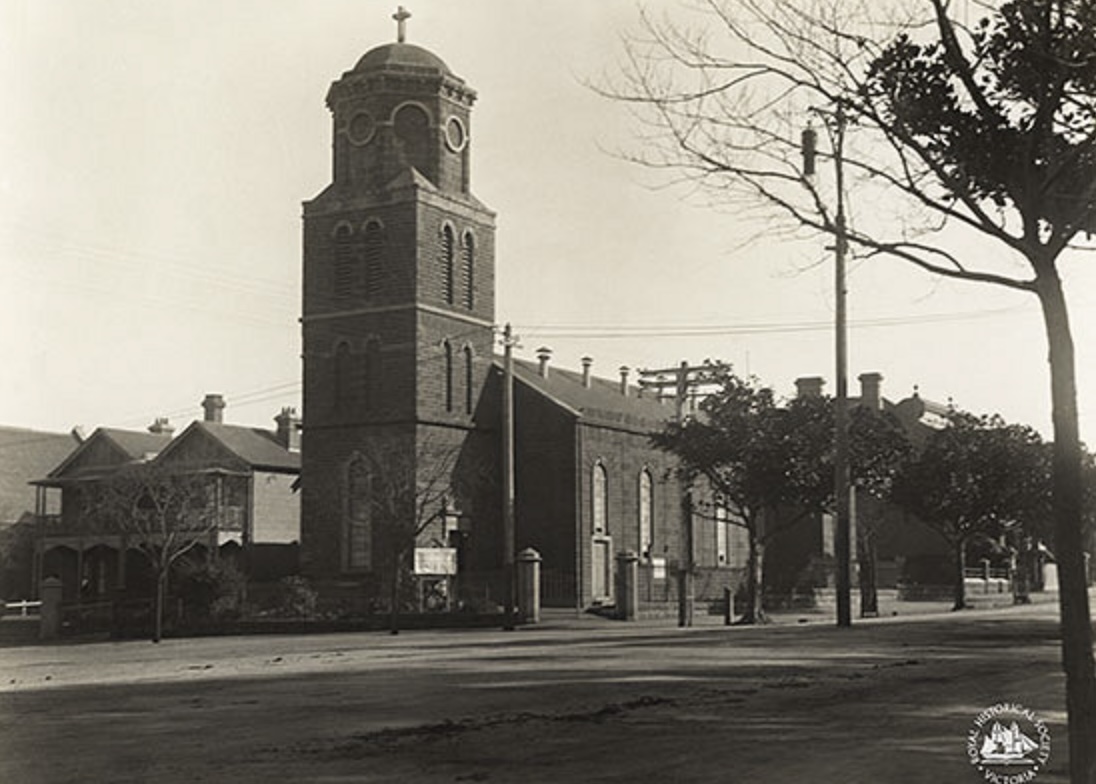
Two weeks later, on 1 September 1858, Ellen and James were married by licence at St James’ Church of England Cathedral. He was thirty-five, she twenty-two. Witnesses were Charles Thornton and Eliza McDonagh. Their marriage bridged faiths and continents; it was a quiet defiance of expectation.
St James Church of England, Melbourne
“They had waited two years and half a world to keep their promise.”
Life in Colonial Victoria
James served faithfully through the rough years of gold-rush Melbourne. The family’s rented homes tell their story: Bank Street Emerald Hill, Giffard Street Williamstown, and Pelham Street Carlton.
Between 1859 and 1872, Ellen bore eight children — Mary Jane, William Michael, Margaret, Sarah Ann, Susannah, Sarah (again, after the first died), James Henry, and Ann. (Image below: Susannah (left) and Sarah.
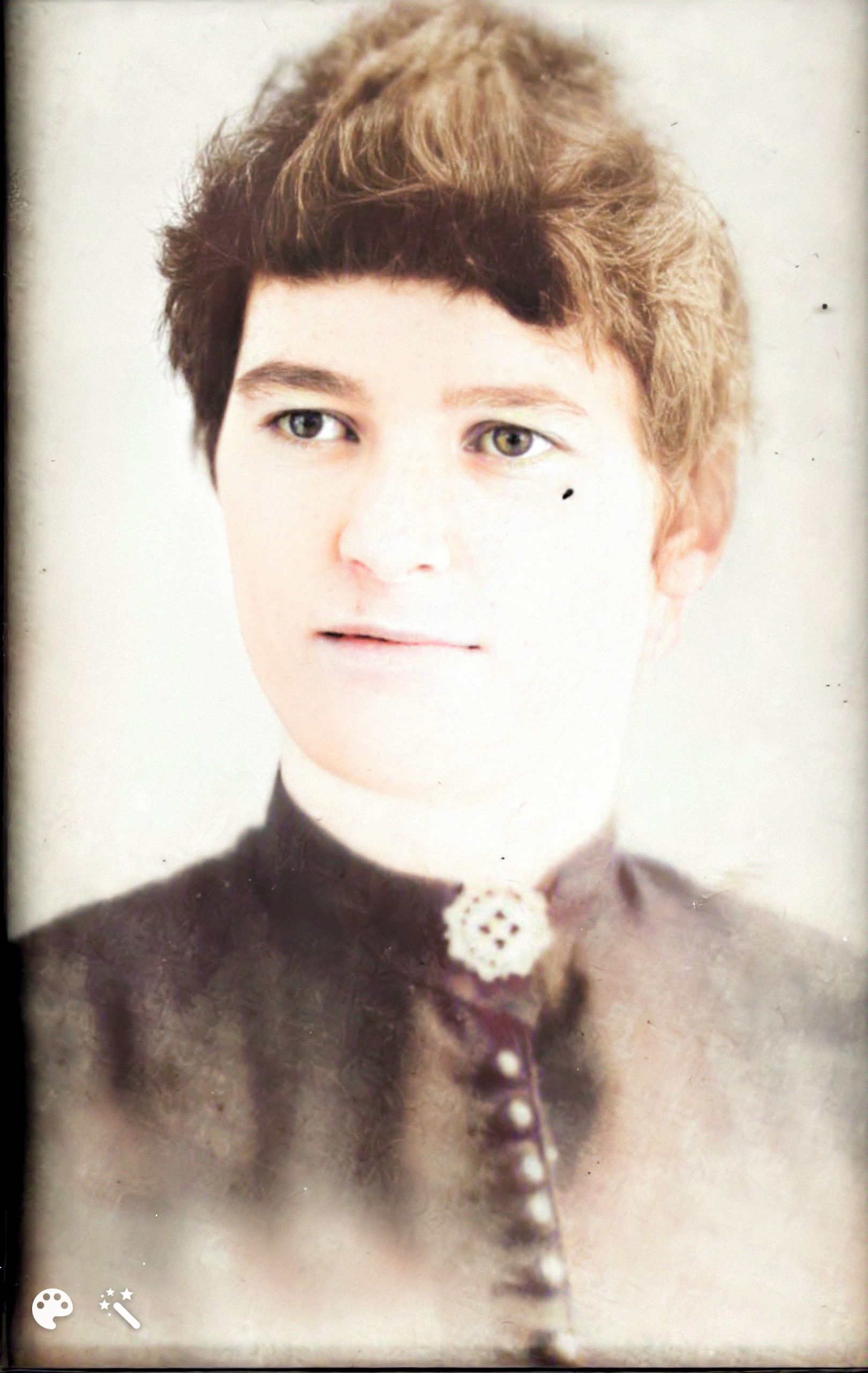
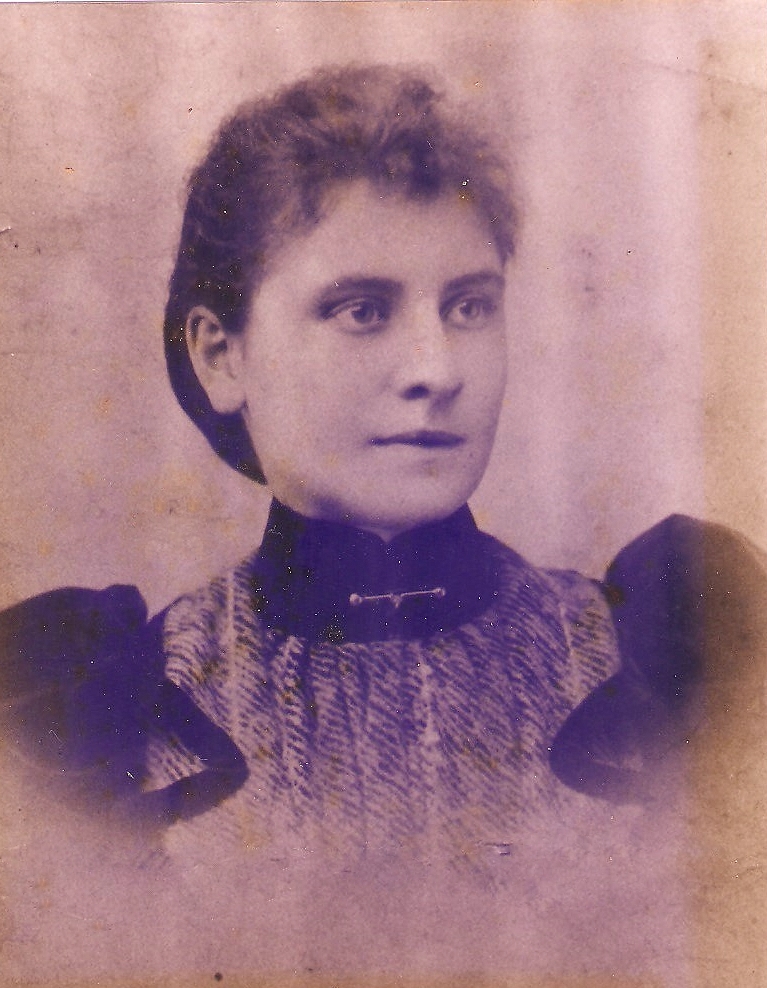
Life for a constable’s family was harsh: twelve-hour shifts, low pay, and frequent moves. When police wages were cut in 1862, discontent simmered; many men left the force. By 1873, James too had resigned. That year’s petty-sessions list shows him fined as a cab driver — a proud man forced into precarious work.
North to Sydney
By 1875, the Hendrens had moved to Sydney, joining James’s brothers:
-
William Hendren, ex-RIC, publican of the Three Tuns Tavern at King and Elizabeth Streets.
-
Edward Hendren, gold-miner turned hotelkeeper at the Gardeners Arms on Castlereagh Street.
