
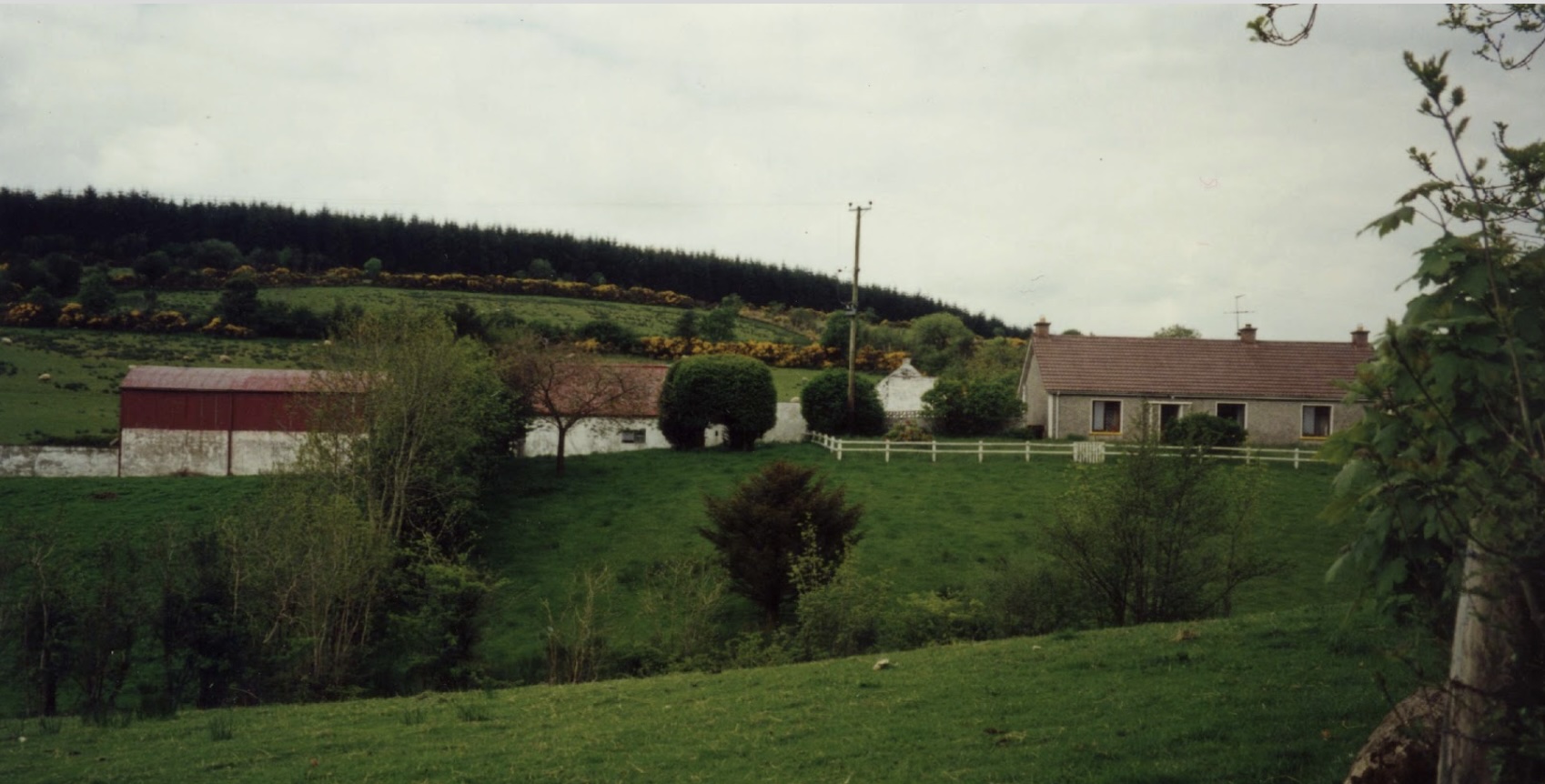
Patrick and Ellen Barrett: The Long Journey from Gushedy
“Every family story begins with a choice — to stay, or to go.”
Patrick Barrett was born in December 1777 in County Fermanagh, the son of Owen Barrett, a farmer, and Ann Logan.
He grew up in the quiet drumlins of the Parish of Drumkeeran, where the Barretts had tilled the same soil for generations. In 1803, at twenty-five, Patrick married Ellen McHugh, daughter of an old Tyrone clan known for their fierce independence and refusal to yield to English rule.
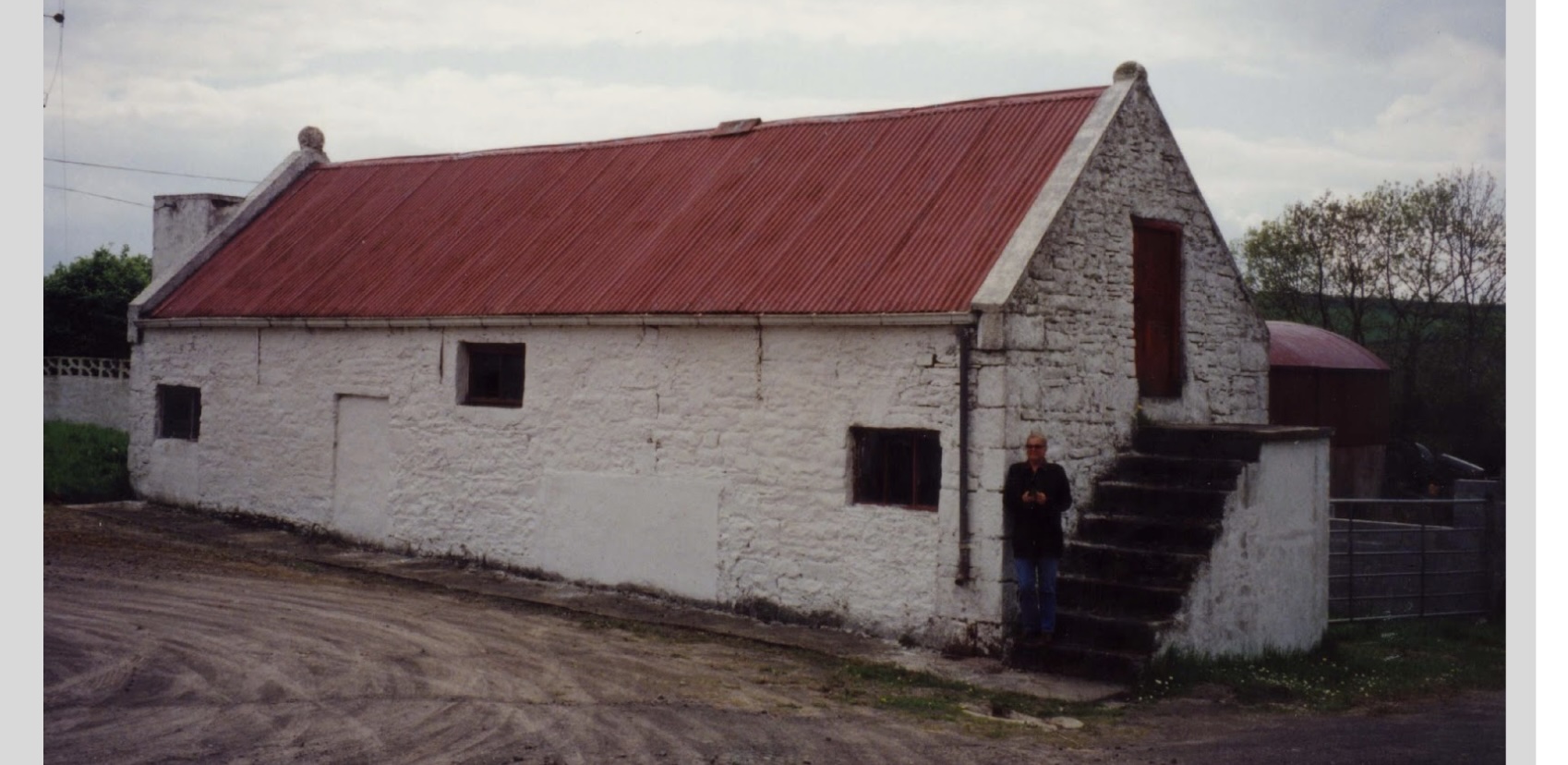
Original barn at Barrett Farm
The McHughs, or MacAodh in Gaelic, were remembered as Tories — defenders of Irish tradition against Cromwell and William of Orange. Ellen brought to her marriage a proud lineage and a stubborn strength that would serve her well in the years ahead.
The Barretts of Gushedy
The Barretts farmed land in Gushedy Beg and Gushedy More, small townlands scattered among bog, stone walls, and mountain ash in the Parish of Drumkeeran.
Tithe records from 1832 list four Barrett men — Michael, Patrick, and two Williams — sharing nearly 50 acres under lease from local landlords. They grew oats, potatoes, and flax, and paid their tithes in shillings and pence to a Church they did not attend.
By 1840, Patrick and Ellen had raised five known children: Ann (Nancy), Owen, Mary, Susan, Bridget, and Edward — Nancy and Owen both married.
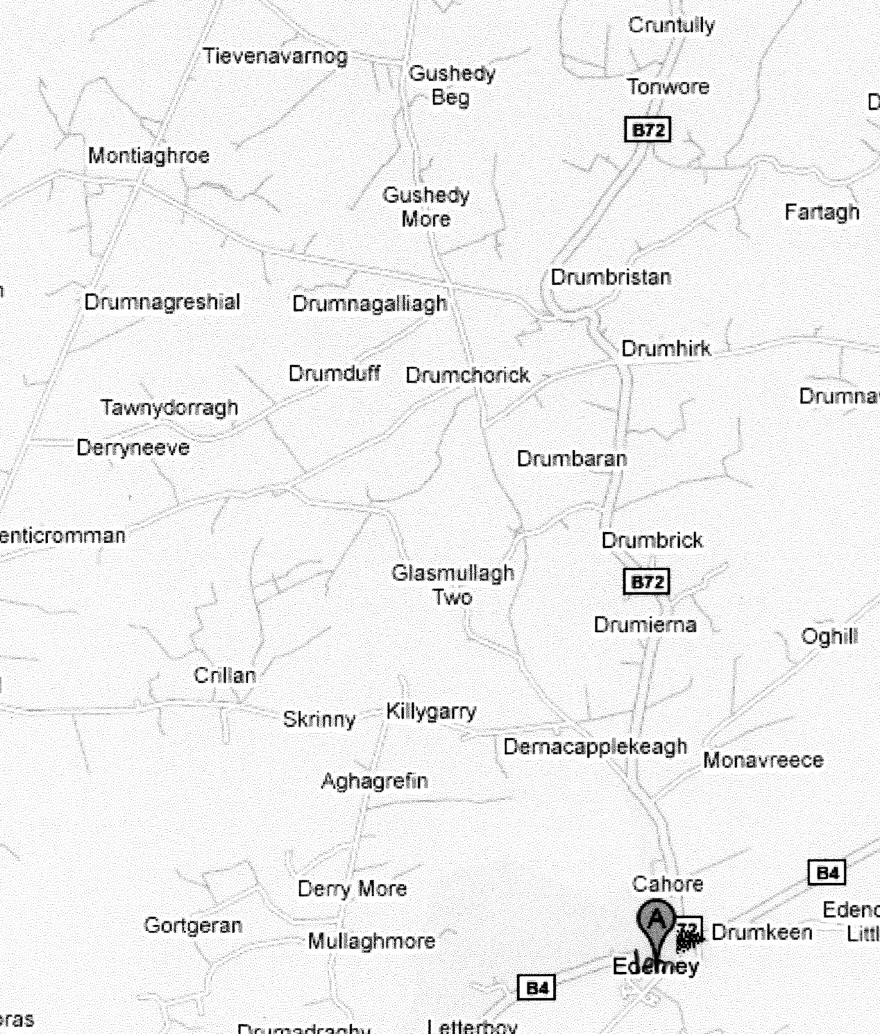
Map Drumkeeran Parish showing Gushedy Beg & Gushedy More
The Great Choice: To Leave Ireland
In the 1830s, famine and economic collapse gripped Ireland. The Barretts watched as neighbours’ children left for America or the English mills.
Australia, still a convict colony, was an unlikely destination — yet through the new Bounty System, families like the Barretts could apply for assisted passages as “agricultural labourers” or “servants.”
Passage cost £12 a head, but agents advanced the fare and were repaid on arrival. The family lied about their ages — Patrick and Ellen both subtracting twenty years — to qualify.
On 11 June 1840, they applied through the agents A.B. Smith & Co., listing their occupations as farm workers. Six months later, they stood on the docks at Liverpool, England, ready to begin the 124-day voyage aboard the James Mathieson.
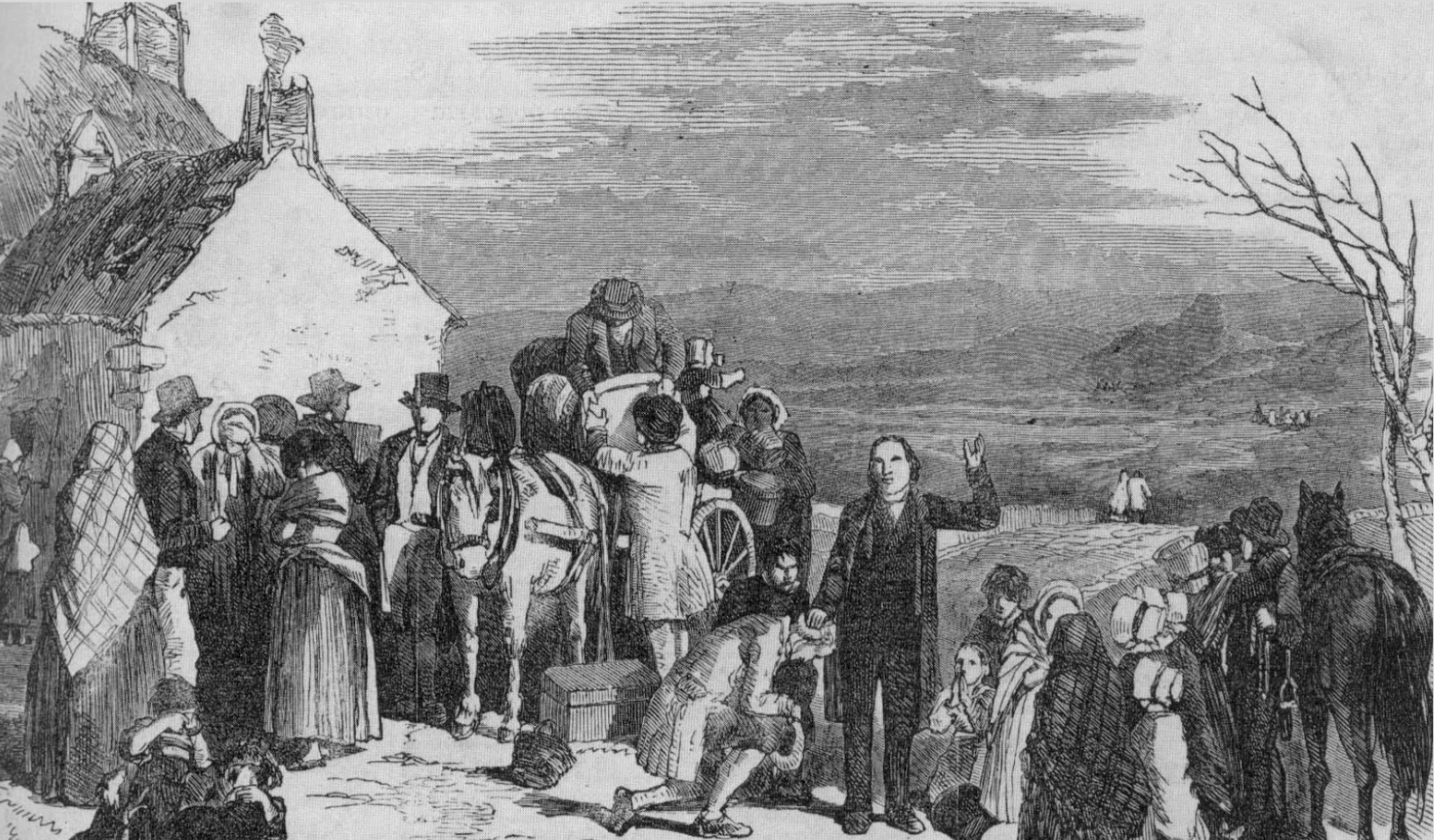
The farewell
The Voyage of the James Mathieson
The Barretts boarded the James Mathieson on 11 December 1840, sailing via the Cape of Good Hope. The ship carried 231 emigrants, many from rural Ireland.
Surgeon John Rowley recorded that passengers “conducted themselves remarkably well,” with divine service held most Sundays and a small school for children. Thirteen passengers died of measles, but the Barrett family survived the ordeal — though eldest son Owen was briefly ill.
After nearly four months at sea, they sighted the blue ridges of the Australian coast. On 14 April 1841, under bright autumn skies, the James Mathieson dropped anchor in Port Jackson, Sydney.
Screenshot
The First Days in the Colony
Within a month of their arrival, granddaughter Catherine Barrett was born and baptised at St Mary’s Church, Sydney — a new beginning for the family.
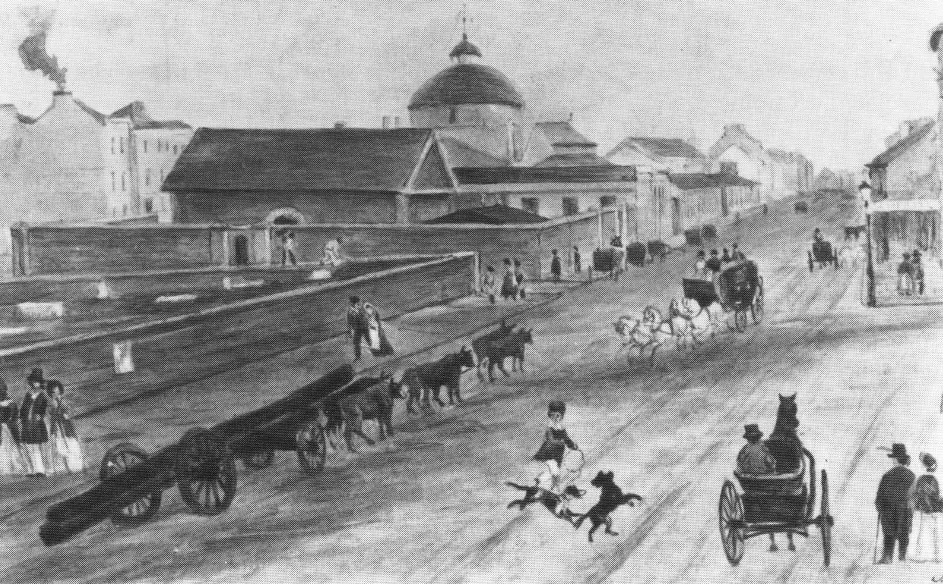
George St, Sydney 1843
Patrick and Ellen soon travelled south to Braidwood, then a struggling settlement of timber huts and Irish immigrants. It was before the gold rush, and life was harsh: clearing land, building fences, and surviving long winters.
By 1844, the family had moved again, this time to Liverpool, south of Sydney. There they leased farmland and became part of a growing Irish-Catholic community under Father Charles Lovat, who had earlier ministered in Braidwood.
Loss and Legacy
Ellen Barrett, matriarch of the emigrant Barretts, died in 1848, aged sixty-eight, after just seven years in the new colony. She was buried in the old St Luke’s Cemetery, Liverpool, where her weathered stone still stands among the pioneers’.
Patrick lived another nineteen years, dying on 13 February 1867, aged eighty-nine, at the home of his son Edward. He was buried beside Ellen, under a sandstone headstone now preserved in Liverpool Pioneers’ Memorial Park.
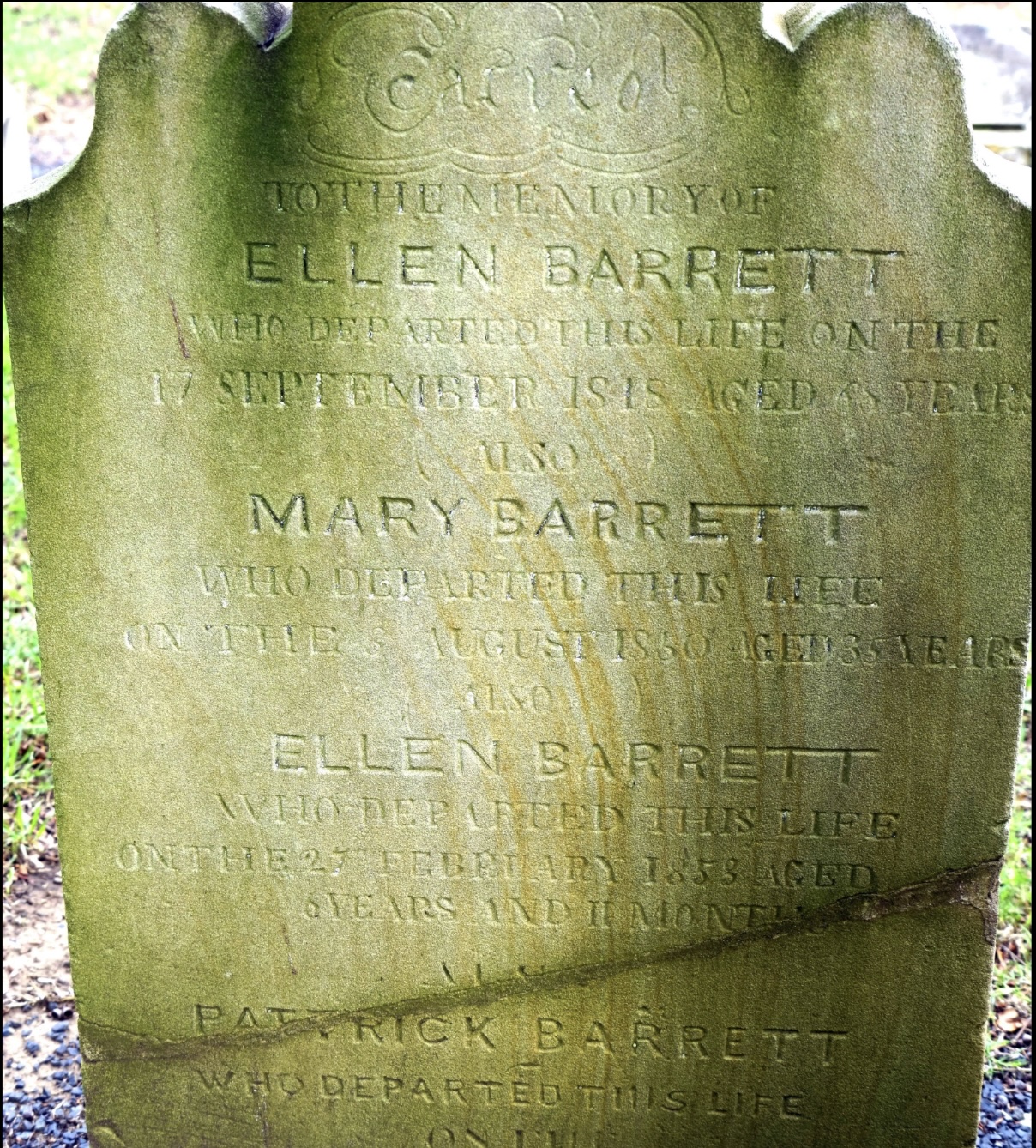
Barrett family headstone
“They left their green hills for the dry light of a southern land, believing their children’s children would thrive where they could not.”
